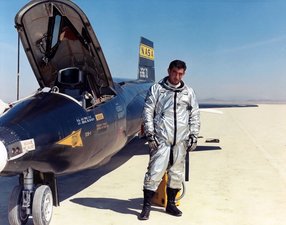
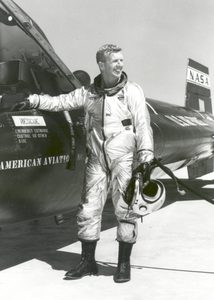
North American Aviation  ·  1959–1968

X-15

The fastest manned aircraft ever built — a hypersonic rocket plane that flew to the edge of space and rewrote the limits of human flight.

4,520
mph top speed
354,200
ft max altitude
199
flights flown
12
pilots
01

A Personal Obsession

I have been inspired by the X-15 ever since I was a kid. The X-15 made its first powered flight on September 21, 1959 — just 21 days after I was born — and it has captured my imagination ever since.

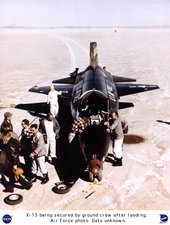
The X-15 was a hypersonic rocket-powered aircraft operated jointly by NASA, the U.S. Air Force, and the U.S. Navy from 1959 to 1968. It set world records for the highest speed and altitude ever achieved by a winged, manned aircraft — records that still stand today.

At Mach 5, a simple 20-degree heading change required 5 g of force for 10 seconds. On a speed flight, the unmodified X-15-1 accelerated from Mach 5 to Mach 6 in just six seconds. Eight pilots flew above 50 miles altitude and earned their USAF astronaut wings.

More X-15 history at the NASA X-15 site ↗

Flight Data
Mach 6.7
Top Speed
67 mi
Max Altitude
199
Total Flights
9 yrs
Program Duration
57,000 lb
XLR-99 Thrust
3
Aircraft Built
02

In Flight

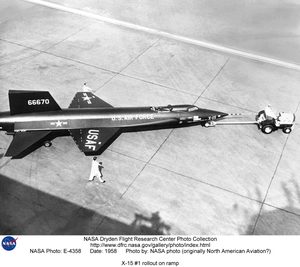
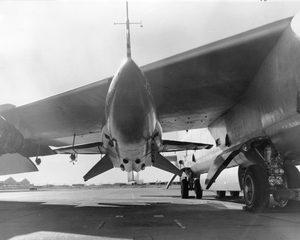
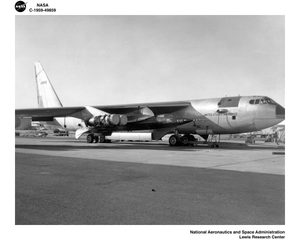
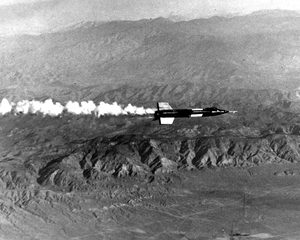
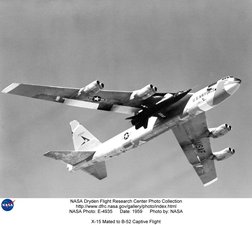
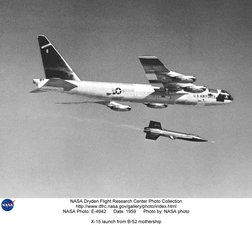
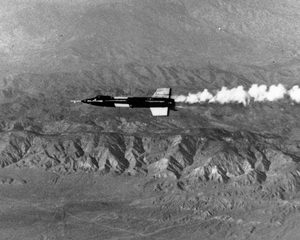
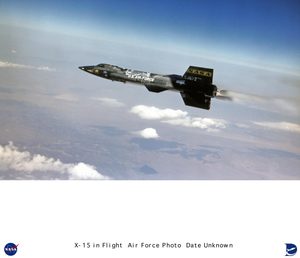
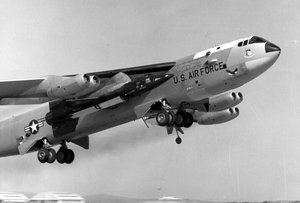
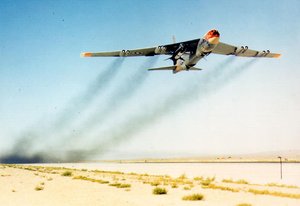
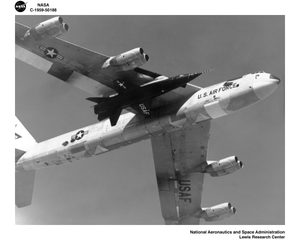
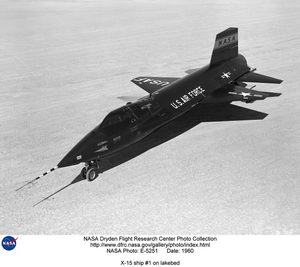
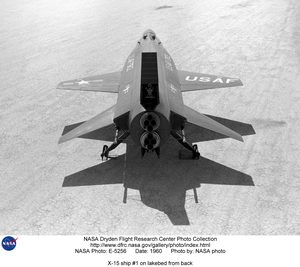
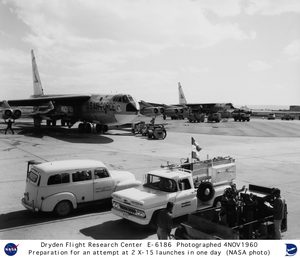
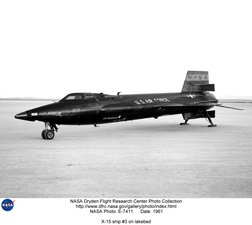
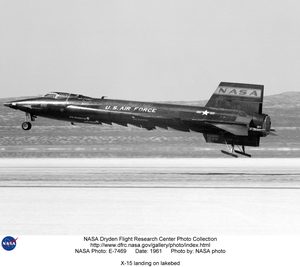
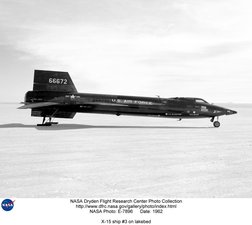
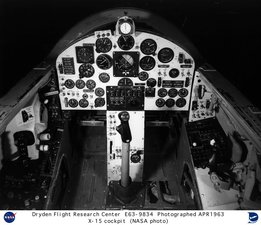
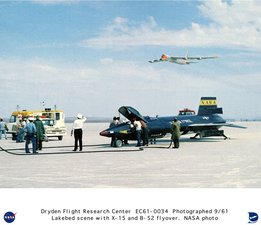
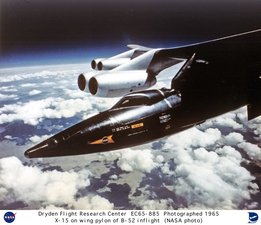
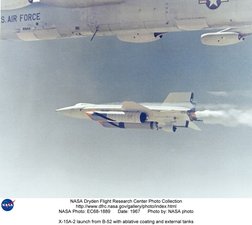
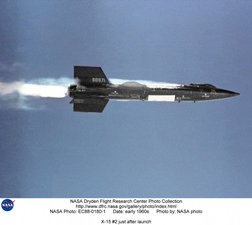
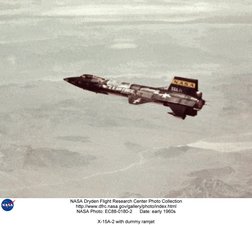
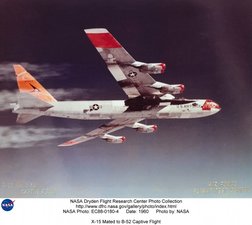
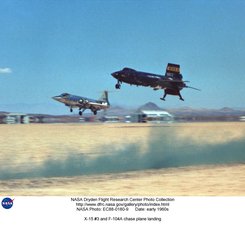
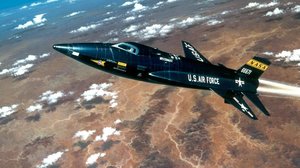
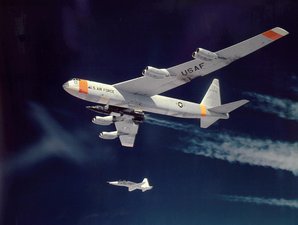
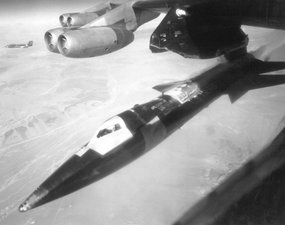
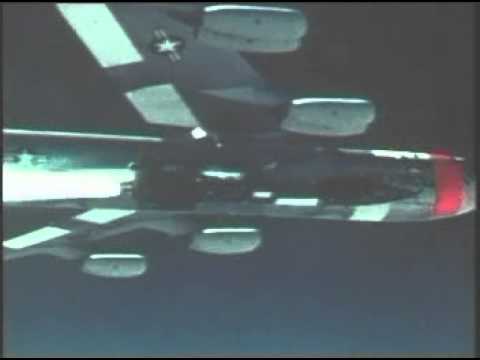
NASA and USAF photographs of the X-15 in flight and mounted under the wing of the NB-52 carrier aircraft.

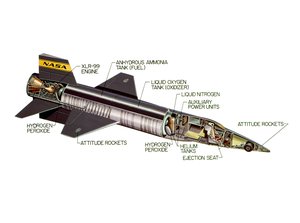
Cutaway Drawing
Cutaway Drawing
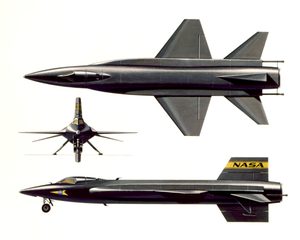
Three-View Drawing
Three-View Drawing
E-616586
E-616586
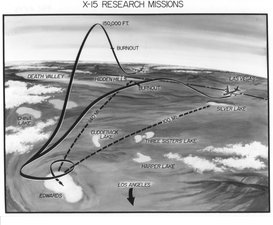
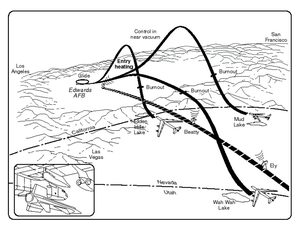
Flight Paths Diagram
E-4358
E-4358
1959-49858
1959-49858
1959-49859
1959-49859
1959-51803
1959-51803
E-4935
E-4935
E-4942
E-4942
1960-53040
1960-53040
838126
838126
NB-52A Carrying X-15
NB-52B Takeoff
NB-52B Takeoff
C-1959-50188
C-1959-50188
E-5251
E-5251
E-5256
E-5256
E-6186
E-6186
E-7411
E-7411
E-7469
E-7469
E-7896
E-7896
E63-9834
E63-9834
EC61-0034
EC61-0034
EC65-885
EC65-885
EC68-1889
EC68-1889
EC88-0180-1
EC88-0180-1
EC88-0180-2
EC88-0180-2
EC88-0180-4
EC88-0180-4
EC88-0180-9
EC88-0180-9
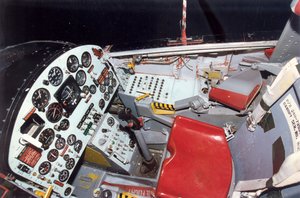
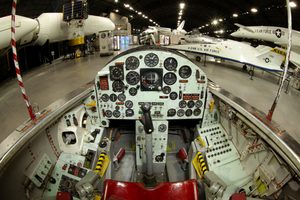
X-15A-2 Cockpit
X-15A-2 Cockpit
Pushing the Envelope
X-15 and B-52
X-15 and B-52
X-15 Launch
X-15 Launch
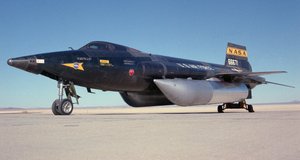
X-15A-2 with Tanks
X-15A-2 with Tanks
X-15
X-15
210929-F-AU145-1056
210929-F-AU145-1056
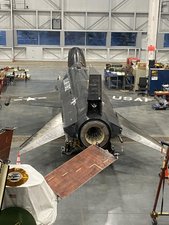
Restoration Hangar
Restoration Hangar
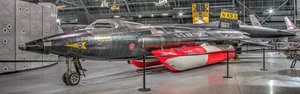
X-15 at NASM
X-15 at NASM
03

Flight Incidents

The X-15 completed 199 research flights over nine years. The program suffered several notable incidents — including a hard landing, a cracked canopy, a near-fatal crash, a close call, and one fatal accident.

Flight 2-3-9 · November 5, 1959 — Hard Landing, Rosamond Dry Lake
Scott CrossfieldPilot
X-15-2Aircraft
Aircraft DamagedOutcome
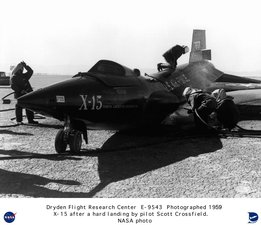
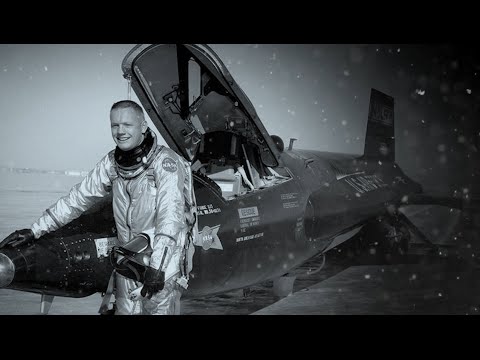
Scott Crossfield — North American Aviation's chief test pilot and the first person to ever fly the X-15 — was conducting an early contractor test flight in X-15-2. During the mission, an engine malfunction forced him to shut down the XLR-99 rocket engine prematurely and execute an emergency glide to Rosamond Dry Lake. The hard landing buckled the fuselage aft of the cockpit, causing significant structural damage. Crossfield was uninjured.

The X-15-2 was repaired and returned to service. The incident was an early reminder of the unforgiving energy-management demands of flying an unpowered hypersonic glider — a machine with no engine-out go-around option and no tolerance for misjudgment of the landing flare.

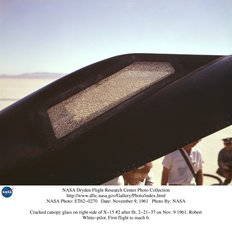
Flight 2-21-37 · November 9, 1961 — Cracked Canopy Glass

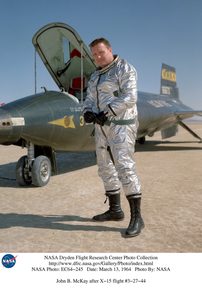
John B. McKayPilot
X-15-2Aircraft
Canopy DamageOutcome

During this research flight in X-15-2, pilot John B. McKay discovered that the outer pane of the cockpit canopy had cracked. The canopy was a critical system — a failure of the pressure seal at altitude could have been fatal. McKay executed a controlled emergency descent and landed safely at Edwards Air Force Base.

The incident prompted a review of canopy materials and inspection procedures. The X-15's cockpit was pressurized and temperature-controlled to protect the pilot through the extreme thermal and pressure environment of hypersonic flight, making canopy integrity a primary safety concern throughout the program.

Flight 3-4-31 · April 20, 1962 — Atmospheric Skip

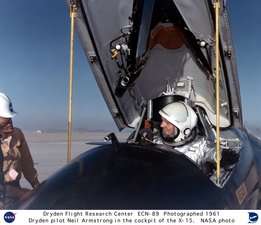
Neil ArmstrongPilot
X-15-3Aircraft
207,500 ftMax Altitude
Mach 5.31Max Speed
Close CallOutcome

On his seventh X-15 flight, Neil Armstrong was conducting a high-altitude research mission in X-15-3. After reaching a peak altitude of 207,500 feet, Armstrong pulled out of the descent at too shallow an angle — causing the aircraft to "skip" off the top of the denser atmosphere, much like a stone skipping across water.

The X-15 ballooned back up to approximately 140,000 feet and overshot Edwards Air Force Base by roughly 45 miles to the south. Armstrong was forced to execute a long, high-speed glide back toward the lakebed, eventually landing safely at Rogers Dry Lake. The aircraft was never in danger of structural failure, but the overshoot left almost no margin for error — had Armstrong misjudged the glide, there was no suitable landing site within range.

The incident highlighted the extreme precision required during X-15 re-entry and contributed to refined procedures for energy management on high-altitude profiles. Armstrong, characteristically unflappable, completed the mission data objectives. He went on to fly the X-15 twice more before transitioning to the Gemini and Apollo programs.

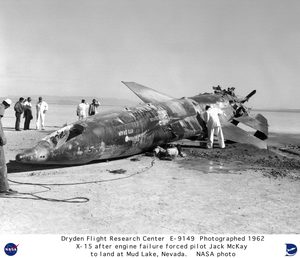
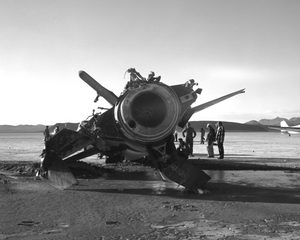
Flight 2-31-52 · November 9, 1962

John B. McKayPilot
X-15-2Aircraft
Non-FatalOutcome

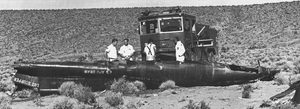
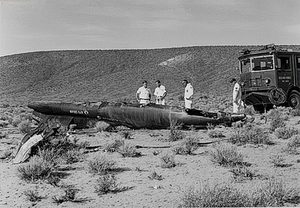
Pilot John B. McKay experienced a partial engine failure and was forced to make an emergency landing at Mud Lake, Nevada. The landing gear collapsed on touchdown and the aircraft was severely damaged. McKay sustained serious spinal injuries. The X-15-2 was subsequently rebuilt as the X-15A-2 — with an extended fuselage, jettisonable external fuel tanks, and ablative coating — allowing it to reach Mach 6.7 in 1967.

Flight 3-65-97 · November 15, 1967 — Fatal Accident

Maj. Michael J. AdamsPilot
X-15-3Aircraft
266,000 ftMax Altitude
Mach 5.20Max Speed
FatalOutcome

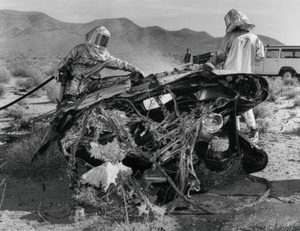
Major Michael J. Adams was released from the NB-52B mothership at 45,000 feet over Delamar Dry Lake at 10:30 AM. The flight proceeded normally to a peak altitude of 266,000 feet (81 km) — qualifying Adams for USAF astronaut wings. During the planned wing-rocking maneuver near peak altitude, the aircraft drifted 15 degrees off heading.

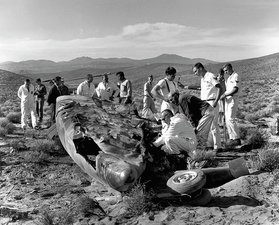
As X-15-3 descended through increasingly dense atmosphere at 230,000 feet, it entered a Mach 5 spin. Adams radioed that the aircraft "seemed squirrelly" before reporting the spin to ground controllers. He recovered at 118,000 feet but was now in an inverted Mach 4.7 dive at 40 to 45 degrees. Aerodynamic forces built rapidly. At 65,000 feet the aircraft was diving at Mach 3.93 and experiencing more than 15 g vertically and 8 g laterally — well beyond structural limits. X-15-3 broke apart 10 minutes and 35 seconds after launch.

Investigation identified the root cause as an electrical disturbance from an experiment package using a commercial off-the-shelf component not properly qualified for the X-15 environment — likely triggering the adaptive control system and causing the initial heading deviation. Adams was posthumously awarded USAF astronaut wings. He remains the only pilot fatality in the entire X-15 program.

04

The People

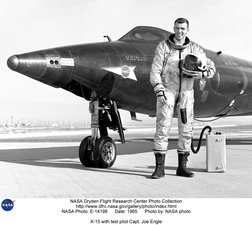
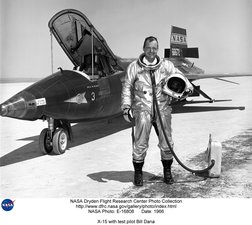
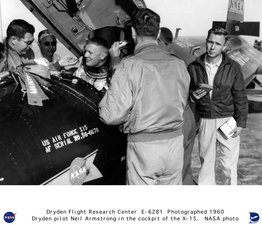
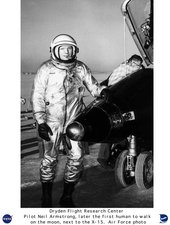
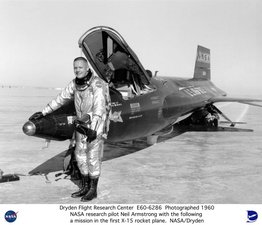
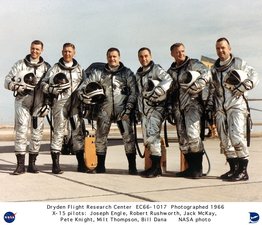
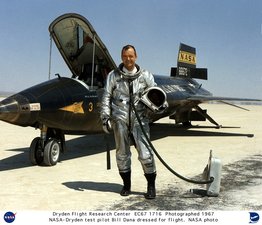
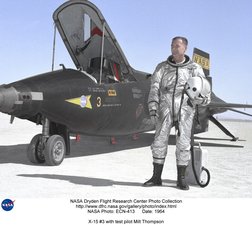
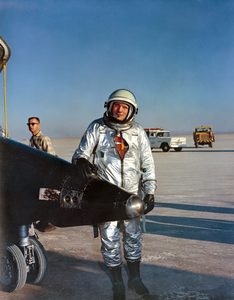
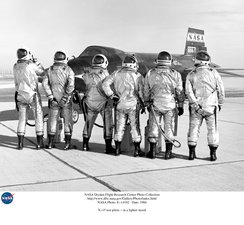
The 12 X-15 pilots included Neil Armstrong, who flew the X-15 seven times before commanding Apollo 11. Eight of the twelve earned USAF astronaut wings.

Maj. Michael J. Adams
E-14198
E-14198
E-16808
E-16808
E-6281
E-6281
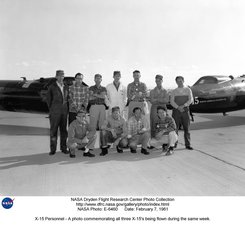
E-6460
E-6460
E-6682
E-6682
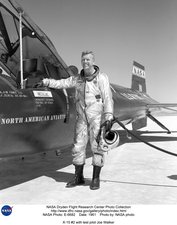
E-8592
E-8592
Neil Armstrong · X-15
E60-6286
E60-6286
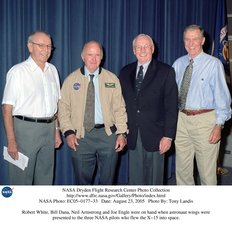
EC05-0177-33
EC05-0177-33
EC66-1017
EC66-1017
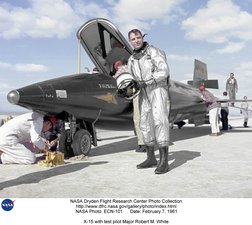
ECN-101
ECN-101
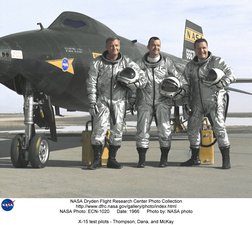
ECN-1020
ECN-1020
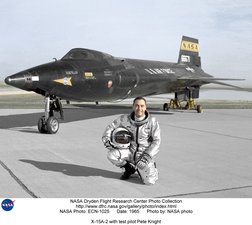
ECN-1025
ECN-1025
ECN-1716
ECN-1716
ECN-413
ECN-413
ECN-89
ECN-89
S63-19148
S63-19148
E-14182
E-14182
USAF X-15
USAF X-15
05

Program History

"The most successful research airplane in history."

— Neil Armstrong, X-15 Pilot · Apollo 11 Commander

The X-15 program was born from a simple ambition: to understand what happened when an aircraft flew at the edge of the atmosphere. In 1954, NACA engineer John Becker proposed a hypersonic research aircraft that could fly faster and higher than anything before it. What followed was nine years of flight — 199 missions that defined an era.

The aircraft was built by North American Aviation and powered by the Reaction Motors XLR-99 rocket engine, producing 57,000 pounds of thrust — the equivalent of roughly one million horsepower. Dropped from beneath the wing of a B-52 carrier aircraft, the X-15 ignited its engine and accelerated to speeds that heated its Inconel X steel skin to over 1,350°F.

The program was a joint effort of NASA, the U.S. Air Force, and the U.S. Navy. Twelve test pilots flew the aircraft between 1959 and 1968, including Neil Armstrong — who made seven X-15 flights before commanding Apollo 11 to the Moon. On 199 flights the program achieved every one of its design research goals.

The X-15's greatest legacy is not its records. It is the hypersonic data it generated — data that guided the design of the Space Shuttle and remains, fifty years later, the bulk of available hypersonic flight data for aircraft designers.

// Technical Specifications
Length
50.75 ft
Wingspan
22.36 ft
Engine
XLR-99
Thrust
57,000 lbf
Top Speed
Mach 6.7
Max Altitude
354,200 ft
Max Skin Temp
1,350°F
Max Dynamic Q
2,202 psf
Total Flights
199
Mach 5+ Flights
108
Carrier Aircraft
NB-52B
Manufacturer
North American
// Program Timeline
1954

The Idea

NACA engineer John Becker proposes a hypersonic research aircraft. The Air Force and Navy agree to jointly fund the program — a freedom that allowed unmatched speed of execution.

September 1955

Contract Award

The Air Force awards the development contract to North American Aviation. The design calls for a fuselage of Inconel X steel alloy to survive temperatures that would destroy aluminum airframes.

October 1958

Rollout

North American rolls out the first X-15 — just over four years from concept to metal. Two more aircraft follow, each with different configurations.

June 8, 1959

First Glide Flight

Scott Crossfield makes the first unpowered glide flight in X-15-1 over Edwards Air Force Base — demonstrating the aircraft's handling qualities and validating its aerodynamic design.

September 21, 1959

First Powered Flight

Crossfield ignites the interim XLR-11 engines for the first time — the moment the X-15 program truly came alive. The aircraft handled well and the era of powered hypersonic flight was underway.

1960–1961

The XLR-99 Engine

The powerful Reaction Motors XLR-99 enters service after significant delays. With 57,000 pounds of thrust — nearly double the interim engines — the X-15 can pursue its full design envelope.

July 1962

Space

Major Robert White reaches 314,750 feet. Eight X-15 pilots ultimately flew above 264,000 feet (50 miles), earning their USAF astronaut wings.

October 3, 1967

Ultimate Speed Record

Pete Knight flies X-15A-2 to Mach 6.7 — 4,520 mph — the fastest winged, manned aircraft flight in history. The record stands to this day.

November 15, 1967

The Accident

On flight 3-65-97, Major Michael J. Adams reaches 266,000 feet before losing control during reentry. X-15-3 breaks up at 65,000 feet. Adams is killed — the only fatality of the program. He is posthumously awarded astronaut wings.

October 24, 1968

Final Flight

William H. Dana pilots the 199th and final X-15 flight. The program ends quietly — its hypersonic data shaping everything that follows, from the Space Shuttle to modern hypersonic research.

// NASA Archive · X-15: Extending the Frontiers of Flight

Book Photography

137 photographs and illustrations from the official NASA history of the X-15 program.  Read the full book on NASA.gov ↗

06

Archive Video

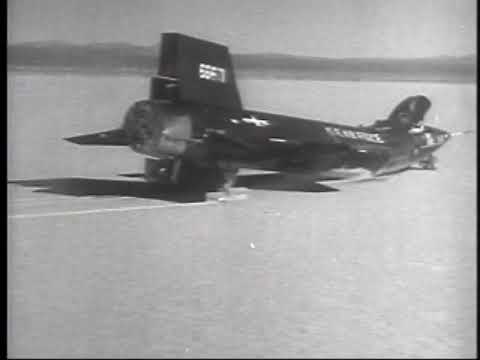
Archival footage of the X-15 from NASA and the U.S. Air Force.

07

About Me

I'm the Founder and Managing Member of Cloudbreak Capital, where I invest in and help build companies across manufacturing, distribution, and services. I tend to focus on situations where there's an opportunity to roll up sleeves, improve operations, and create long-term value — often alongside founders or management teams.

Over the years, I've been fortunate to work with a range of businesses, from industrial companies to technology platforms. Today, I serve as Chairman of Vortex Engineering, a metal fabrication company, and VCC (Visual Communications Company), which develops LED indication and human–machine interface technologies. I've also been involved with companies like TCHO Ventures and Timely Medical Innovations, among others.

Before Cloudbreak, I co-founded Avexus, where I served as Chairman and CEO. We built enterprise software used by companies like Boeing, GE, and the U.S. Navy to better manage complex aerospace and defense operations.

Earlier in my career, I was a General Partner at PMF, investing in high-growth software, telecom, and eCommerce businesses. Even before that, I started a company called Wave Software, developing financial applications back when Windows was still new.

These days, I split my time between working with portfolio companies and looking for new opportunities to partner with founders and owners.

I'm based in Fort Lauderdale. I'm married with three kids, and outside of work I spend time flying — I'm an instrument-rated pilot in both fixed-wing and helicopters, with type ratings in the Cessna Citation C500 and Embraer E55P (Phenom 300) — along with skiing, golfing, cooking, and getting involved in the arts.

1 / 45
09

Get in Touch